
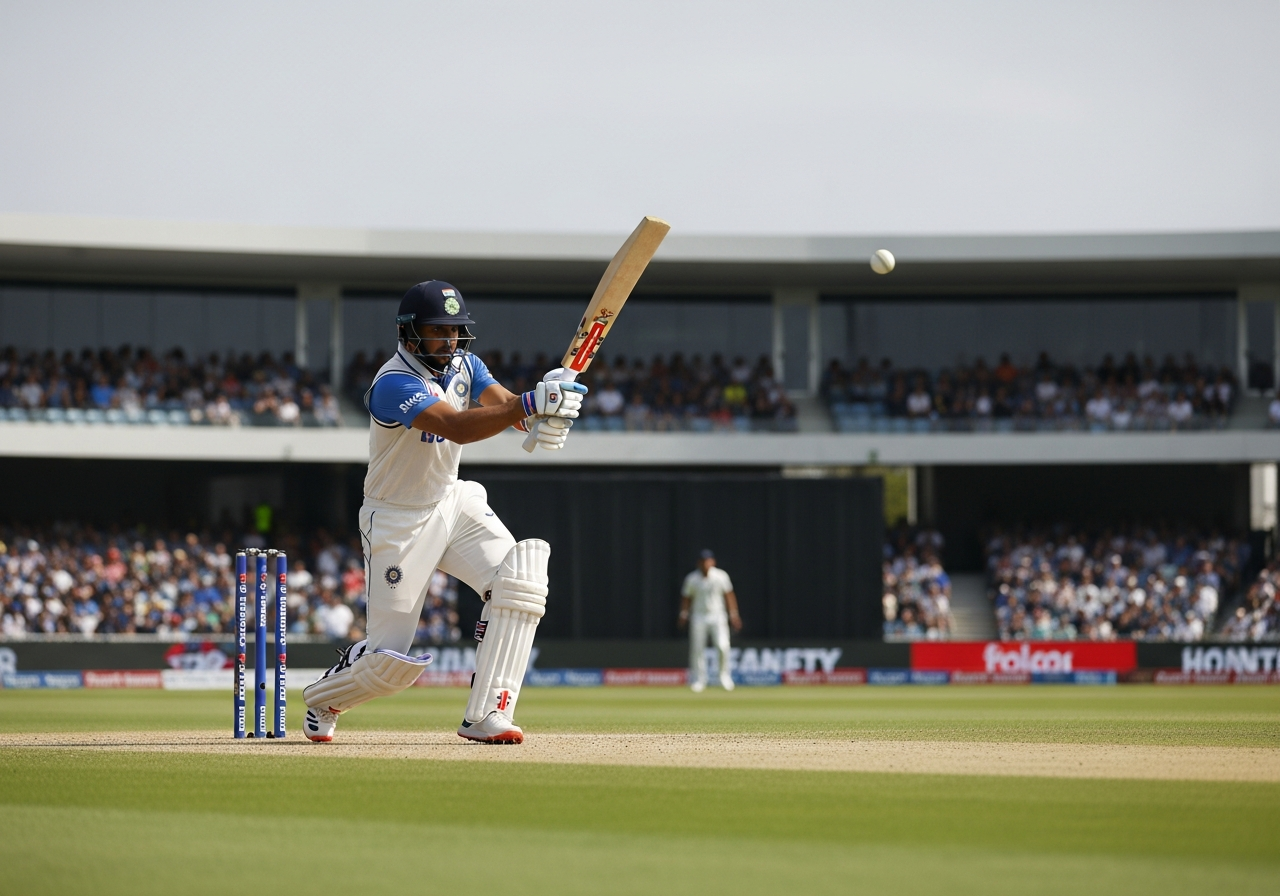
First innings betting has emerged as the dominant force in Indian cricket wagering, particularly during the IPL season where it commands over 90% of all in-play betting activity. This market’s explosive growth reflects the evolving nature of T20 cricket, where first innings scores have become increasingly unpredictable and lucrative for astute bettors. The shift in IPL scoring trends, from conservative 160-run averages to the current era of 190+ totals, has fundamentally transformed how bettors approach these markets.
The IPL’s transformation into a high-scoring spectacle has positioned first innings runs betting as the primary focus during the tournament season. With venues like Delhi’s Arun Jaitley Stadium producing average first innings scores exceeding 235 runs, bettors are witnessing unprecedented opportunities in over/under markets that were unimaginable just a few seasons ago.
Understanding First Innings Betting Markets in Indian Cricket
First innings betting encompasses all wagers placed on outcomes occurring during the first team’s batting period in cricket matches. This market category distinguishes itself from full-match betting by focusing exclusively on the performance of the team batting first, creating a defined timeframe with clear resolution criteria. The prevalence of these markets in IPL and Indian T20 cricket has grown exponentially, with bookmakers now offering dozens of first innings-specific betting options.
Data from the 2024 IPL season reveals that first innings betting accounts for the largest share of in-play market activity, significantly outpacing traditional match winner bets during the opening phases of games. This prominence stems from the immediate gratification and faster resolution times that first innings markets provide compared to full-match outcomes.
The market’s appeal lies in its combination of statistical predictability and moment-to-moment volatility. While historical venue data and team form provide a foundation for analysis, the dynamic nature of T20 cricket ensures that odds fluctuate dramatically based on real-time performance, creating numerous value opportunities for engaged bettors.
| Betting Market Type | Description | Popularity in IPL | Typical Odds Range |
|---|---|---|---|
| Over/Under Total Runs | Betting on first innings score above/below set line | Very High | 1.80-2.10 |
| Exact Score Brackets | Predicting runs within 20-run ranges | High | 6.50-12.00 |
| Top Batsman First Innings | Highest individual score in first innings | Medium | 3.50-8.00 |
| Powerplay Runs | Runs scored in first 6 overs | High | 1.70-2.25 |
| Fall of First Wicket | Over/under runs when first wicket falls | Medium | 1.85-2.05 |
| Sixes Count | Total sixes hit in first innings | Medium | 1.90-2.15 |
| Spread Betting | Buy/sell runs at quoted spread prices | Low | Variable spread |
Over/Under First Innings Runs Betting
Over/under first innings runs betting represents the most straightforward entry point into these markets, with bookmakers typically setting lines between 170-195 runs for IPL matches depending on venue and team strength. These thresholds are carefully calibrated based on historical venue performance and current team form, creating relatively balanced markets where both outcomes maintain appeal.
Standard odds for over/under markets typically range from 1.61 to 2.20, with the variation reflecting the bookmaker’s confidence in their line setting. Higher-scoring venues like Delhi and Kolkata often see tighter odds around 1.80-1.95 for both sides, while traditionally lower-scoring grounds may offer wider spreads.
The key to success in over/under betting lies in understanding venue-specific tendencies and recognizing when bookmaker lines haven’t fully adjusted to current conditions. Weather changes, pitch preparation variations, and team composition alterations can all create value opportunities where the posted line doesn’t reflect actual probability distributions.
First Innings Team Runs and Player Runs Markets
Team-level first innings betting focuses on aggregate performance, while individual player runs markets allow bettors to target specific batting performances within the first innings framework. This distinction creates opportunities for portfolio approaches where bettors can hedge team performance against individual player outcomes, particularly when star batsmen are expected to anchor the innings.
Odds in these markets reflect current player form, recent venue performance, and match conditions, with bookmakers adjusting lines based on team news and pitch reports. Top-order batsmen typically receive the most attention, with their individual run lines often correlating closely with team total expectations.
Spread betting variations in first innings predictions offer more sophisticated approaches, allowing bettors to buy or sell runs at quoted prices rather than backing binary outcomes. This approach rewards accuracy while providing opportunities for smaller losses when predictions are directionally correct but miss exact targets.
IPL First Innings Scoring Trends and Historical Data
The evolution of IPL first innings scoring represents one of the most dramatic transformations in modern cricket betting markets. Historical data reveals a steady climb from conservative 160-run averages in the tournament’s early years to the explosive 191+ averages witnessed throughout 2024. This progression reflects changes in playing conditions, bat technology, and strategic approaches to T20 batting.
The most striking development occurred during weeks 15-16 of the 2024 season, when first innings averages spiked to 208 runs per innings, creating unprecedented challenges for bookmakers and opportunities for prepared bettors. This surge coincided with optimal playing conditions and the tournament’s business end, where teams prioritized aggressive batting approaches over conservative accumulation.
The introduction of the Super Sub rule post-2023 significantly impacted first innings scoring patterns, allowing teams greater flexibility in their batting lineups and contributing to increased run rates. Additionally, the average number of sixes per match increased from 15.5 to 17.9, fundamentally altering the risk-reward calculations in first innings betting markets.
Weather patterns and scheduling changes have also influenced scoring trends, with day-night matches consistently producing higher first innings totals compared to afternoon games. The data suggests that dew factor and improved visibility under lights contribute approximately 12-15 additional runs per first innings on average.
| IPL Season/Period | Average 1st Innings Runs | Batting First Win % | Notable Trend |
|---|---|---|---|
| 2019-2021 | 162.4 | 48.2% | Conservative approach dominance |
| 2022 | 173.8 | 49.1% | Two new teams integration |
| 2023 | 181.2 | 51.3% | Powerplay aggression increase |
| 2024 (Weeks 1-14) | 191.5 | 52.8% | Super Sub rule impact |
| 2024 (Weeks 15-16) | 208.3 | 55.7% | Record-breaking surge |
| 2024 Playoffs | 198.7 | 58.3% | High-pressure batting excellence |
Venue-Specific First Innings Run Averages
Delhi’s Arun Jaitley Stadium has emerged as the undisputed king of first innings scoring, posting a remarkable 235-run average that significantly exceeds all other IPL venues. This ground’s unique combination of short boundaries, high altitude, and favorable atmospheric conditions creates an environment where 200+ first innings scores occur with unusual frequency, fundamentally altering betting calculations for matches played there.
The venue hierarchy reveals distinct tiers of scoring environments: Kolkata (204 average), Hyderabad (205), Mumbai (191), and Bangalore (196) each present unique characteristics that influence first innings betting strategies. Kolkata’s Eden Gardens benefits from dew conditions and traditionally flat pitches, while Hyderabad’s newer venue design maximizes boundary-scoring opportunities.
Chase success rates vary dramatically by venue despite these scoring averages, with Delhi paradoxically showing lower successful chase percentages despite producing the highest first innings totals. This contradiction creates specific value opportunities in first innings betting, where high team totals may offer better value than their chase prospects suggest.
Pre-Match vs In-Play First Innings Betting Strategies
The betting landscape reveals a stark divide between pre-match and in-play activity, with approximately 10% of first innings betting occurring before match start versus 90% during live play. This distribution reflects the dynamic nature of T20 cricket, where early overs performance dramatically influences total run expectations and creates constantly evolving value opportunities.
Pre-match betting advantages center on research-based analysis and fixed odds that may not fully reflect all available information. Successful pre-match bettors leverage venue history, team composition analysis, and weather forecasting to identify discrepancies between bookmaker lines and probable outcomes.
In-play betting presents higher volume opportunities but requires rapid decision-making and real-time analysis capabilities. The odds adjustment algorithms respond to powerplay performance, wicket timing, and run rate fluctuations, creating windows where delayed market reactions provide temporary value.
- Conduct comprehensive pre-match research including venue-specific team performance, recent form trends, and weather impact projections to identify potential line value before odds tighten.
- Monitor powerplay performance during live play, as the first six overs typically account for 25-30% of eventual first innings total and provide strong predictive indicators.
- Track wicket timing and its impact on run rate sustainability, particularly focusing on how early wicket losses affect aggressive batting approaches in different venue contexts.
- Utilize momentum shift recognition to identify value opportunities when odds overreact to short-term performance fluctuations during middle overs phases.
- Implement portfolio approaches combining multiple first innings markets to hedge directional bets while maintaining profit potential across various outcome scenarios.
Pre-Match First Innings Analysis and Research
Effective pre-match analysis centers on three core factors: team composition strength, venue-specific historical performance, and weather forecast implications. Team composition analysis extends beyond star player availability to include batting depth, recent form trajectories, and head-to-head performance patterns at specific venues.
Venue history provides crucial context for line evaluation, with teams showing distinct preferences and performance patterns at different IPL stadiums. Mumbai Indians’ consistent over-performance at Wankhede Stadium contrasts sharply with their struggles at venues like Delhi and Kolkata, creating predictable advantages for informed pre-match bettors.
Home team advantage remains significant, with 2024 data showing a 55% win rate for home teams, though this advantage varies considerably by venue. Weather forecasting, particularly for evening matches where dew becomes a factor, can provide 2-3 hour advance notice of conditions that bookmakers may not fully price into their opening lines.
Live Betting Adjustments During First Innings
Powerplay performance serves as the primary catalyst for in-play odds adjustments, with run rates above 8.5 per over typically triggering significant line movements in over/under markets. Bookmaker algorithms respond rapidly to scoring patterns, but brief delays in adjustment create opportunities for alert bettors who recognize sustainable versus unsustainable run rates.
Wicket timing proves crucial in determining whether aggressive early batting can be maintained throughout the innings. Early wickets (within first 6 overs) typically reduce final totals by 15-20 runs compared to matches where opening partnerships exceed 50 runs, creating immediate value in under markets when key batsmen depart early.
Value hunting during momentum shifts requires recognizing when odds movements exceed the actual impact of on-field events. A single expensive over may trigger disproportionate line adjustments, while conversely, a wicket during an already struggling innings may create over-corrected under odds that don’t reflect the venue’s high-scoring tendencies.
Key Factors Affecting First Innings Scoring in Indian Cricket
Environmental and strategic factors combine to create the complex landscape of first innings scoring in Indian cricket, with weather conditions playing an increasingly important role in evening matches. Temperature variations, humidity levels, and wind patterns all influence ball behavior and batting conditions, creating daily variations even within the same venue.
Pitch preparation standards have evolved significantly across IPL venues, with groundsmen now optimizing surfaces for entertainment value while maintaining competitive balance. The result is generally flatter, more batting-friendly surfaces that support higher first innings totals while still providing enough movement to keep bowlers competitive.
Team-venue adaptation strategies have become more sophisticated, with franchises developing specific game plans for different stadiums based on boundary dimensions, atmospheric conditions, and historical success patterns. Squad selection often reflects these venue-specific approaches, particularly regarding the balance between pace and spin bowling options.
- Evening match conditions typically add 12-15 runs to first innings totals compared to afternoon games due to improved visibility and dew factor anticipation
- Boundary dimensions variance across venues creates 20-25 run differences in average first innings scores between compact grounds (Delhi, Kolkata) and larger venues (Mumbai, Bangalore)
- Pitch aging within tournament phases shows 8-10 run decline in first innings averages as surfaces deteriorate through heavy use periods
- Team composition balance between specialist batsmen and all-rounders impacts first innings depth, with batting-heavy lineups averaging 12 additional runs in the final five overs
- Weather pattern disruptions, particularly unexpected wind changes, can alter six-hitting frequencies by up to 30% from venue norms
- Strategic timeout timing and utilization affects momentum maintenance, with well-timed breaks correlating to 5-8 additional runs in subsequent overs
Pitch Conditions and Ground-Specific Variables
Pitch condition variations across IPL venues reflect both natural surface differences and deliberate preparation strategies designed to maximize entertainment while maintaining competitive integrity. Delhi’s Arun Jaitley Stadium consistently prepares the flattest surfaces, contributing directly to its exceptional 235-run first innings average, while grounds like Chennai traditionally offer more assistance to spinners and lower overall totals.
Seasonal changes in venue behavior become apparent as tournaments progress, with early-season surfaces typically favoring higher scores before deteriorating through heavy use. The timing of matches within each venue’s hosting schedule can influence first innings betting value, as fresh pitches consistently produce 10-15 additional runs compared to worn surfaces.
Ground dimensions and boundary rope positioning create permanent advantages for certain types of batting, with Delhi and Kolkata’s compact designs favoring aggressive stroke play while Mumbai and Bangalore’s larger dimensions reward placement and running between wickets. These characteristics become particularly relevant when evaluating team-specific venue performance and first innings run line value.
First Innings Betting Market Composition and Bet Types
The 2024 IPL season revealed significant shifts in betting market preferences, with match betting maintaining its 40.1% market share despite the growing popularity of specialized first innings markets. Over/under runs betting captured 15% of total market activity, while team-specific first innings runs accounted for 11% of all wagers placed during the tournament.
Niche markets have emerged as significant contributors to overall betting volume, with fall of first wicket betting and powerplay-specific markets gaining traction among sophisticated bettors. Boosted odds promotions, particularly around milestone achievements like 200+ first innings totals, have created additional market segments that attract recreational betting activity.
The composition data reveals betting behavior patterns that favor immediate gratification markets, with first innings segments (powerplay, middle overs, death overs) collectively accounting for nearly 25% of all tournament betting activity. This trend reflects both the entertainment value of these markets and their perceived predictability compared to full match outcomes.
| Bet Type | Market Share % (2024) | Typical Odds | Betting Focus Period |
|---|---|---|---|
| Match Winner | 40.1% | 1.70-2.35 | Throughout match |
| Over/Under First Innings | 15.0% | 1.80-2.10 | Pre-match & First innings |
| Team First Innings Runs | 11.0% | 1.85-2.05 | Pre-match & Live |
| Top Batsman | 8.5% | 4.00-9.00 | Pre-match primarily |
| Powerplay Markets | 7.2% | 1.75-2.20 | First 6 overs |
| Fall of Wickets | 6.8% | 1.90-2.15 | Live betting focus |
| Player Performance | 5.9% | 1.65-3.50 | Pre-match & Live |
| Milestone Markets | 3.2% | 2.50-8.00 | Promotional periods |
| Spread Betting | 2.3% | Variable spreads | Specialist operators |
Match Betting and First Innings Impact
First innings scoring performance significantly influences match outcome probabilities, with teams posting 200+ first innings totals winning 67% of matches in 2024 compared to just 43% for teams scoring below 170. This correlation creates dynamic opportunities in match betting markets as first innings unfold, particularly when early performance contradicts pre-match team strength assessments.
Post-first innings betting preferences shift dramatically based on the total achieved, with bettors showing strong tendencies to back chasing teams when first innings totals exceed venue averages by 20+ runs. This behavioral pattern often creates value opportunities in backing teams that posted above-average first innings scores, as market sentiment overvalues the difficulty of chase scenarios.
The data reveals interesting parity between first and second batting win probabilities across different score ranges, suggesting that while 200+ scores appear daunting, the actual win percentage advantages may be smaller than perceived, creating potential value in first innings team betting when high totals are achieved.
Powerplay and Over-Specific First Innings Bets
Powerplay betting specifics in IPL markets focus heavily on the 50-run threshold, with over/under lines typically set between 48-52 runs depending on team strength and venue characteristics. The powerplay phase accounts for approximately 26% of eventual first innings totals, making it a crucial predictor of final scores and an attractive standalone betting market.
Single over runs betting exhibits extreme volatility, with individual overs capable of producing 20+ runs in favorable conditions or remaining wicket-maidens in others. This volatility creates both opportunity and risk, with successful over-specific betting requiring deep understanding of bowler-batsman matchups and situational pressure factors.
Bracket betting for first innings segments (overs 1-6, 7-15, 16-20) provides more balanced risk-reward profiles compared to single over betting while maintaining the excitement of segment-specific wagering. These markets particularly favor bettors who understand how different teams approach various phases of their innings at specific venues.
Record-Breaking First Innings Chases and Betting Opportunities
The 2024 IPL season witnessed unprecedented successful chases of 197, 211, 224, and 263 runs, fundamentally challenging traditional assumptions about defendable first innings totals. These record-breaking chases created significant betting value for those who recognized that venue conditions and team capabilities had evolved beyond historical norms.
Betting value in chasing high first innings scores emerges from market psychology that overestimates the difficulty of large run chases in modern T20 cricket. The successful pursuit of 200+ totals occurred in 34% of attempts during 2024, significantly higher than the 18% success rate that many betting markets appeared to price.
Analysis of chase success trends reveals that venue characteristics matter more than absolute score totals, with certain grounds consistently producing successful chases regardless of first innings totals. Delhi’s Arun Jaitley Stadium, despite its high first innings averages, actually showed lower chase success rates due to pressure rather than conditions, creating specific value opportunities in first innings team betting.
Analyzing Chase Success Rates by Venue and Score Range
Delhi’s paradoxical combination of high first innings averages but low chase success rates stems from psychological pressure rather than playing conditions, with teams posting 220+ first innings scores at the venue winning 71% of matches compared to venue average expectations of 58%. This discrepancy creates consistent value in backing teams that post large first innings totals at Delhi, despite the venue’s reputation for high-scoring chases.
Hyderabad and Kolkata present contrasting profiles, with both venues supporting high first innings averages while maintaining relatively balanced chase success rates around 52-54%. Mumbai and Bangalore offer more traditional profiles where first innings advantages translate more predictably to match outcomes, making them more suitable for straightforward first innings betting approaches.
Score range analysis reveals that 180-200 run first innings totals actually represent the most defendable range across most venues, with success rates of 61-65%, while totals above 220 show more variable success rates depending on venue-specific factors and chasing team composition, creating opportunities for sophisticated bettors who understand these nuances.
Bankroll Management and Responsible First Innings Betting
Sustainable bankroll management in first innings betting requires acknowledging the higher variance inherent in T20 cricket markets while capitalizing on the increased betting frequency these markets provide. The rapid resolution of first innings bets creates opportunities for multiple wagering cycles within single matches, demanding disciplined unit sizing and careful profit tracking.
Proper unit sizing becomes crucial when betting across multiple first innings markets simultaneously, with successful practitioners typically limiting individual market exposure to 1-2% of total bankroll regardless of confidence level. Performance tracking should account for venue-specific results and market type profitability to identify strengths and weaknesses in approach.
Variance mitigation across high-scoring venues requires understanding that even well-researched bets will fail frequently due to T20 cricket’s inherent unpredictability, making long-term perspective and emotional discipline essential components of successful first innings betting strategies.
- Establish dedicated bankroll segments for first innings betting separate from other cricket markets to track performance and manage exposure effectively across tournament periods.
- Implement strict unit sizing protocols limiting individual first innings bets to 1-2% of total bankroll regardless of perceived edge or confidence level in specific outcomes.
- Maintain detailed records tracking venue-specific performance, market type profitability, and seasonal variations to identify successful patterns and areas requiring strategy adjustment.
- Develop predetermined loss limits for individual matches and daily/weekly periods to prevent emotional decision-making during inevitable losing streaks in volatile T20 markets.
- Utilize portfolio approaches combining multiple first innings markets to reduce single-bet dependency while maintaining profit potential across diverse outcome scenarios.
Risk Management in High-Volume First Innings Markets
Managing risks across multiple betting options requires sophisticated portfolio thinking, with successful first innings bettors often combining over/under bets with player performance markets to create hedged positions that profit from directional accuracy even when specific predictions miss targets. This approach reduces dependency on single bet outcomes while maximizing value extraction from superior analytical insights.
Unit sizing aligned with larger bankrolls becomes essential when betting frequency increases, as first innings markets provide multiple daily opportunities during IPL seasons that can quickly compound both profits and losses. Professional approaches typically involve percentage-based betting rather than fixed stakes, allowing for compound growth while maintaining proportional risk levels.
IPL-specific variance management strategies must account for venue rotation and team form cycles, with successful practitioners adjusting bet sizing based on confidence levels derived from venue-specific data analysis and recent team performance trends rather than maintaining static approaches throughout tournament periods.
Advanced First Innings Betting Analytics and Prediction Methods
Advanced analytical tools for first innings run predictions now incorporate machine learning algorithms that process venue history, team composition, weather data, and real-time market movements to generate probability assessments more sophisticated than traditional statistical analysis. These tools excel at identifying discrepancies between bookmaker lines and calculated fair value odds.
Variance analysis across standard IPL run lines reveals significant opportunities in markets where bookmaker adjustments lag behind rapidly changing tournament conditions, particularly during venue transitions and form fluctuations. Understanding these variance patterns allows advanced bettors to identify systematic pricing errors.
Player performance integration in predictive models has become increasingly sophisticated, with successful systems now weighting recent form, venue-specific history, and matchup analysis to generate individual contribution predictions that aggregate into team total forecasts with improved accuracy compared to team-level analysis alone.
- Implement multi-factor regression models incorporating venue averages, team form metrics, weather conditions, and historical head-to-head data for more accurate run prediction ranges
- Utilize real-time odds movement analysis to identify market inefficiencies where bookmaker adjustments create temporary value opportunities in live betting scenarios
- Develop venue-specific batting lineup analysis accounting for individual player performance patterns at different grounds to improve team total accuracy
- Apply Monte Carlo simulation techniques to model multiple outcome scenarios and identify bets with positive expected value across various probability distributions
- Integrate powerplay performance indicators with middle-over sustainability metrics to create dynamic total run predictions that update throughout first innings
Run Line Analysis and Variance in First Innings Betting
Typical IPL run lines now cluster in the 170-190 range for most matches, though venue-specific adjustments create significant variations with Delhi often seeing lines above 200 while traditional bowling venues may see lines below 175. Understanding these baseline adjustments helps identify when bookmakers have over- or under-corrected for venue factors.
Seasonal influences on run lines become apparent as tournaments progress, with early-season conservative lines giving way to more aggressive adjustments as high-scoring patterns establish themselves. Value opportunities often emerge during these transition periods when bookmaker algorithms haven’t fully adapted to current scoring trends.
Historical average analysis reveals that deviations from venue norms create the most profitable betting opportunities, with matches where conditions suggest scores 15+ runs above or below venue averages offering the strongest expected value when bookmaker lines haven’t fully adjusted to temporary factors.
Team Form and Player Performance in First Innings Predictions
Team-specific strategies for key IPL venues show remarkable consistency, with franchises developing identifiable patterns for grounds where they play regularly. Mumbai Indians’ aggressive powerplay approach at Wankhede Stadium contrasts sharply with their conservative strategy at spin-friendly venues, creating predictable advantages for bettors who track these tactical variations.
Individual player form integration requires weighting recent performance more heavily than season-long statistics, as T20 cricket form fluctuates rapidly and players often show venue-specific preferences that override general form considerations. Star batsmen typically show 15-20% variance in average scores between their preferred and least preferred venues.
Last-minute lineup changes can dramatically impact first innings predictions, with key player absences typically reducing projected totals by 8-12 runs depending on the player’s role and venue suitability. Successful predictive models incorporate probability weightings for likely lineup changes based on team rotation patterns and injury reports.